Blog Details
- Home
- Blog Details



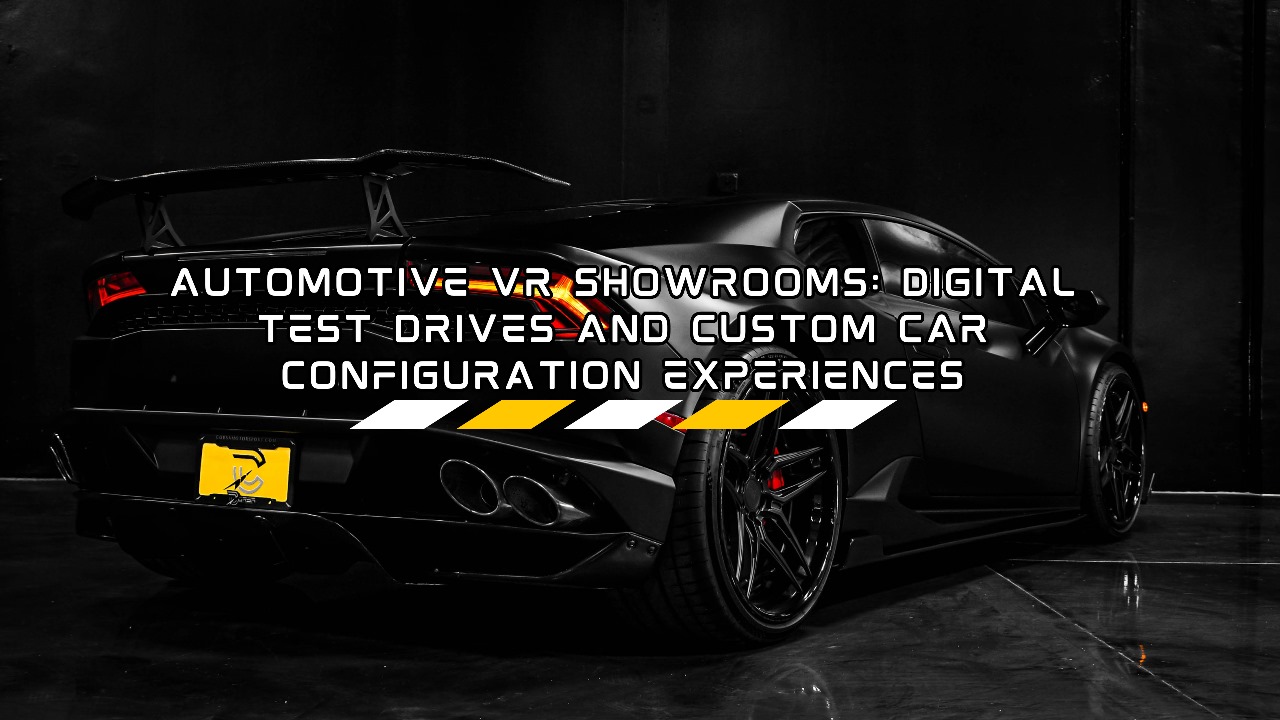
Automotive VR Showrooms are redefining the modern car-buying experience by replacing traditional dealership visits with immersive virtual environments. Customers can explore vehicles in stunning 3D detail, experience digital test drives, and personalize every feature of a car from color to interiors using advanced configuration tools. This transformative approach enhances buyer confidence, accelerates purchase decisions, and allows automotive brands to engage customers globally without physical limitations. VR Labs Studio empowers car manufacturers, dealerships, and automotive startups to create high-impact immersive showrooms that increase sales, reduce operational costs, and deliver unforgettable digital experiences.
The automotive industry is undergoing a massive digital shift. Today’s customers expect seamless, visually rich, and interactive buying journeys far beyond what traditional showrooms can offer. As a result, automotive brands worldwide are adopting Virtual Reality experiences that blend realism, convenience, and emotional engagement. Automotive VR Showrooms bring cars to life through photorealistic 3D models, interactive simulations, and personalized configuration journeys. They give buyers the power to explore, customize, and test-drive vehicles from the comfort of their home or dealership screens. This innovation has become a key driver in faster decision-making, elevated customer satisfaction, and a future-ready retail ecosystem.
An Automotive VR Showroom is a fully immersive digital environment where customers can explore a vehicle in 360 degrees, sit inside the cabin, interact with features, and take a simulated test drive using Virtual Reality technology. It replicates all aspects of a physical showroom engine details, car aesthetics, driving feel, color options, and accessories within a virtual space. Combined with a custom car configurator, it allows buyers to tailor the exact variant they want before placing an order. This next-generation solution eliminates the limitations of physical inventory, enabling brands to showcase their complete range with unmatched visual accuracy and emotional impact.
Implementing Automotive VR Showrooms requires precise planning, high-quality 3D assets, advanced simulation technology, and strong compatibility with VR systems. Brands must ensure the digital environment feels natural, accurate, and true to real-world driving physics. The challenge often lies in building hyper-realistic models, keeping file sizes optimized, and ensuring seamless performance across devices. Additionally, training dealership staff and integrating VR with existing CRM systems demand strategic planning. However, with a specialized XR partner like VR Labs Studio, automotive companies can streamline the entire process from 3D car modeling and simulation design to hardware deployment ensuring a smooth and result-driven implementation.
Automotive VR Showrooms are setting a new standard for the future of car retail. With immersive digital test drives, precision-based car configuration, and engaging virtual dealership experiences, VR gives customers a powerful new way to explore and purchase vehicles. As more automotive brands adopt VR technology, the purchasing journey becomes faster, more transparent, and more enjoyable. VR Labs Studio continues to lead this transformation by creating high-performance virtual showrooms that elevate brand impact, accelerate sales, and provide a seamless digital buying experience for modern car shoppers. The future of automotive retail is immersive and it has already begun.
