Blog Details
- Home
- Blog Details



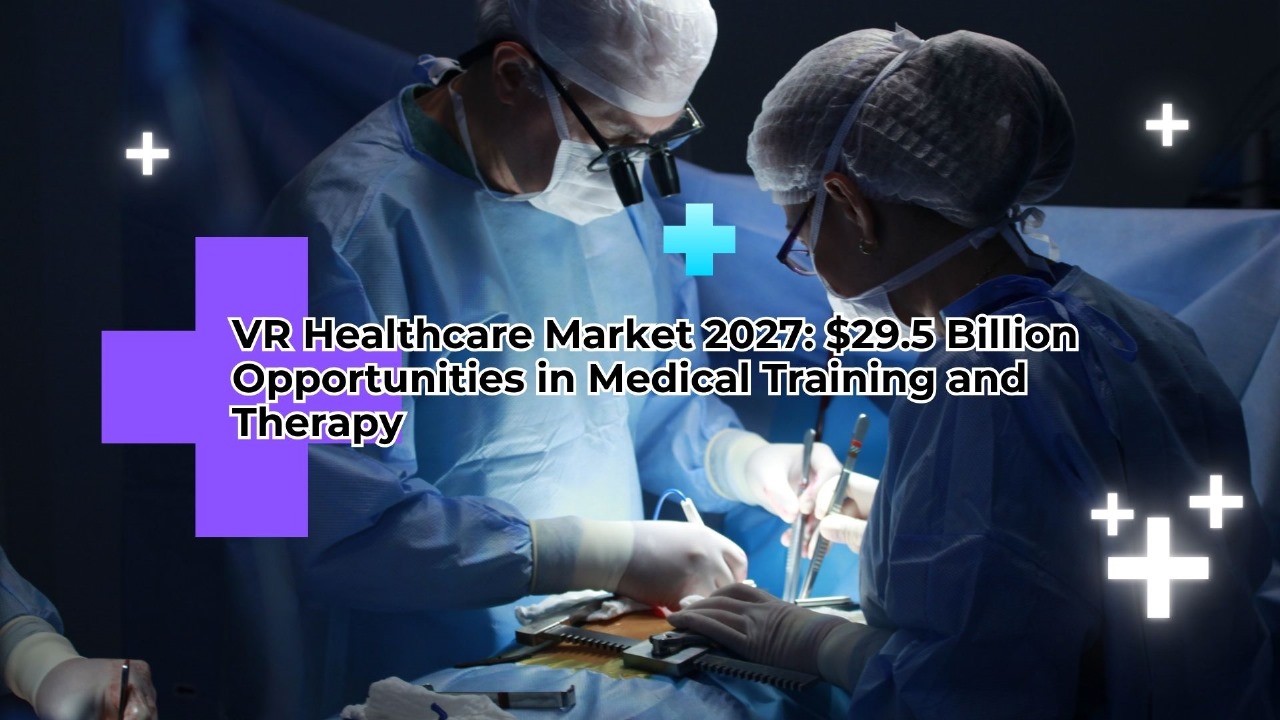
The global VR healthcare market is projected to hit $29.5 billion by 2027, driven by the rapid adoption of immersive technologies in medical training, therapy, surgical planning, patient rehabilitation, and mental health treatment. As hospitals, medical universities, clinics, and wellness providers shift toward digitally enhanced care, VR emerges as a transformative tool offering precision, personalization, and safe real-life simulation. This blog explores everything from VR’s core technologies to its uses, benefits, and challenges designed with SEO-rich, professional storytelling for VR Labs Studio.
Healthcare is undergoing a digital revolution, and Virtual Reality (VR) stands at the center of this evolution. From immersive surgical simulations to therapeutic experiences for mental health and chronic pain, VR is reshaping how medical professionals learn, practice, and deliver care. By 2027, the VR healthcare market is estimated to reach $29.5 billion, signaling an unprecedented demand for advanced simulation platforms, virtual learning environments, and interactive therapy tools. For hospitals and medical institutions, adopting VR is no longer optional it is a strategic advantage that boosts patient outcomes, reduces training costs, and enhances operational efficiency.
VR healthcare refers to the use of immersive, computer-generated environments to simulate medical scenarios, support therapy sessions, educate healthcare professionals, and assist in patient rehabilitation. By blending real-world medical practices with virtual interaction, healthcare providers can create controlled, repeatable, and highly engaging experiences that improve learning, treatment quality, and patient recovery.
Implementing VR in healthcare requires a clear understanding of technological infrastructure, training requirements, and content needs. Medical institutions must invest in compatible VR headsets, secure cloud systems, specialized software, and staff training. While the opportunities are enormous, challenges such as device costs, regulatory approvals, limited technical expertise, and integration with existing hospital systems can slow adoption. Additionally, ensuring patient data privacy and delivering clinically validated VR content remain top priorities. Successful implementation demands a strategic partnership with VR technology providers, structured rollout planning, and ongoing technical support.
By 2027, the VR Healthcare market’s $29.5 billion growth will redefine how the world learns, heals, and experiences medical care. Virtual Reality is no longer just an innovation it is a necessity for modern hospitals, clinics, and medical universities aiming to deliver more efficient, accurate, and compassionate care. As healthcare embraces immersive technology, VR Labs Studio stands ready to empower organizations with advanced simulation tools, therapy platforms, and transformative XR solutions.
